Obstacle course inflatables do something regular party games can’t pull off. They draw a crowd, set a pace, and turn any gathering into a shared story. You hear the countdown, you feel the turf under your shoes, and you watch your best friend wipe out on the pop-up pillars, then rally at the crawl tunnel. I’ve set up more of these than I can count, from corporate picnics to neighborhood block parties, and the formula holds every time: clear lanes, smart rules, and a little smack talk. The inflatable does the rest.
Why obstacle courses beat ordinary party inflatables
A bounce house is a mood. An obstacle course is momentum. People don’t simply show up, they line up. The head-to-head format creates a natural flow, which helps with crowd management and keeps energy moving through the event. A good course blends agility, balance, and short bursts of speed, so a 9-year-old can beat a high school athlete with the right tactics and a little luck. That mix of fairness and unpredictability makes it magnetic for everything from kids party rentals to corporate team-building days.
When event hosts search bounce house rental near me or inflatable rentals, they usually expect a standard inflatable bounce house or a single-lane slide. Those work. But if you want an event to feel like an epic competition, obstacle course inflatables carry the day. The layout tells people exactly what to do, the rules are obvious, and the finish line gives the whole crowd something to cheer for.
Anatomy of a great inflatable obstacle course
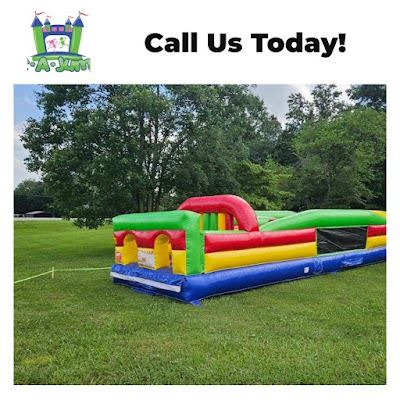
Not all courses are built alike. The best ones have a rhythm you can feel as you walk it. Most quality designs follow a pattern: an entry crawl or squeeze wall to break the pack, a mix of pop-ups that test lateral movement, a tilted surface or log roll for balance, a tunnel section to force a reset, and a slide finish to spike the adrenaline. The length varies widely, from 30 feet for small yards to 95 feet or more for field events. A good rule of thumb is to allow at least 4 to 5 feet of clearance on each side for blower hoses and safe exit.
Two design choices matter more than most. First, lane count. Dual-lane units amplify the competition and cut wait times nearly in half. Second, transitions. Abrupt choke points cause pileups and minor collisions. Courses with tapered entries, open tunnels, and staggered pop-ups move people through without sacrificing challenge.
Inflatable play structures come in all shapes, but obstacle courses share one must-have feature: a higher tear strength rating on the vinyl at stress points. Look for 15-ounce or 18-ounce commercial-grade PVC with reinforced stitching, especially around step pads, tunnel entrances, and the base of the slide. If you see sewn-in grip strips on the climbing wall and double-layered floors in the squeeze tunnels, you’re looking at a unit that was built to survive weekend after weekend.
Course types and when to use them
Short backyard units shine for children’s birthdays and tight spaces. They usually run 28 to 40 feet and include one or two quick skill checks before a short slide. You can run two kids at a time, reset in ten seconds, and keep the line moving. Parents appreciate that these pack the fun of a backyard bounce house with more variety, and they’re still manageable for crews to set up on lawn or pavement.
Mid-length courses land between 45 and 65 feet and work well for school fun days, church events, and block parties. You often get higher slides, split lanes, and more complex obstacles like angled pop-throughs and balance logs. These are the sweet spot for event inflatable rentals because they scale to different ages without turning into a safety headache.
Large or modular courses can stretch 70 to 100 feet or more. Crews connect sections to create custom shapes, sometimes even U-turn layouts to fit fields. These units dominate corporate outings, sports banquets, and city festivals. You can stage relays, bracket rounds, and timed heats. Just be honest about the footprint and the power draw. Longer courses often require two or three blowers, each on a dedicated 15-amp circuit, or a generator sized to the combined amperage.
Combo bounce house rental units deserve a mention too. A combo adds a shorter obstacle run with a bounce area and a small slide attached. These excel for mixed-age groups at neighborhood parties since toddlers can explore the bounce section while older kids battle through the mini course.
The competitive formats that keep lines lively
Random casual runs are fine, but a loose format still benefits from structure. The simplest format is head-to-head sprints. Two people line up, a caller gives a clean three-count, and the winner stays for one more round before stepping off. You can keep this moving for hours. For more intention, run time trials with a volunteer on a stopwatch. Even a cheap lap timer lifts the stakes. Give a small prize or shoutout every hour for the top time on the board. People will circle back for another attempt, which lengthens engagement across the whole event.
For corporate groups, relay races work wonders. Split into teams of four or six, set clear handoff zones, and require a high-five to release the next runner. This format encourages cheering and friendly pressure without turning it into a full-contact sport. If your crowd skews younger, limit relay teams to three per heat to keep it snappy. With kids, attention wanes quickly if heats drag longer than a minute.
At school field days, I’ve had success with class vs. class showdowns. One kid from each class runs each heat, total combined times win. That approach spreads the spotlight and avoids putting too much pressure on one student.
Safety, the invisible foundation of a great course
You can’t talk about obstacle course inflatables without talking about safety. In the field, the best protection is proactive setup and an attentive attendant. If you’re booking jump house rentals through a reputable company, you should expect trained staff, proper anchoring, clean equipment, and clear rules.
Anchors matter. On grass, steel stakes at least 18 inches long driven to the hilt will keep the unit stable. On pavement, you’ll need sandbags, water barrels, or concrete blocks sized to the course and wind conditions. If you’re near coastal areas or open fields, wind can shift quickly. Most commercial courses are rated for safe use below a steady 15 to 20 mph wind. Gusty conditions require judgment. An experienced operator will pause operations during spikes and deflate if sustained winds exceed manufacturer specs.
Spacing matters too. Keep a five-foot buffer around the entire footprint and especially at the slide exit. Cones or rope lines help keep spectators out of landing zones. Set the course on level ground, or shim with rubber mats if you must adjust for slight slopes. If the course includes a tall slide, require socks or bare feet for better grip on the climb.
Age mixing is another underrated hazard. The best approach is to group runners by size and age in each heat. Toddlers can enjoy toddler bounce house rentals or dedicated sections of combo units, while tweens and teens race on larger obstacles. It’s not about gatekeeping, it’s about matching intensity to ability.
Cleanliness sets the tone for safety. If the course looks well kept, parents relax and kids follow rules. Reputable vendors sanitize contact surfaces between events with a disinfectant approved for porous vinyl and dry thoroughly to prevent slick spots.
Power, placement, and practical logistics
Obstacle course inflatables look lighter than they are. Most sections weigh 200 to 450 pounds, and full-length courses can require a two to four person lift or a powered dolly. If your event site includes stairs, tight gates, or long hauls over turf, tell your provider ahead of time. It affects arrival times, staffing, and whether a particular model can even reach your setup area.
Power is straightforward when you plan. Each blower draws around 7 to 12 amps at 115 volts. A 65-foot dual-lane course might use two 1.5 hp blowers and a 2 hp blower for the slide. That is two or three separate 15-amp circuits, not just multiple outlets on the same circuit. If you can’t guarantee dedicated power, rent a generator that can deliver around 5,000 to 7,000 watts continuous with GFCI protection. Keep cords short, under 100 feet, or step up wire gauge to reduce voltage drop that can weaken the blowers and create a soft, unsafe feel underfoot.
Place the course with airflow and drainage in mind. Keep blowers downwind of the crowd so exhaust doesn’t blast the line. Avoid low spots where water can pool if a quick shower moves through. If you’re on artificial turf, lay protective mats under blower intakes and in high-traffic transitions to prevent turf melt from hot exhaust and to maintain traction.
Picking the right course for your crowd and space
The best choice balances thrill with throughput. A backyard birthday needs low height and high turnover. A summer festival wants big visual impact and lines that move. If you have a mixed-age neighborhood party, a combo bounce house rental paired with a 40-foot obstacle course spreads kids across two attractions and lets parents step into one role as line organizer while a trained attendant monitors the more intense unit.
When a client asks for inflatable slide rentals to anchor their event, I often suggest bundling a slide with a course rather than a traditional inflatable bounce house. Slides draw attention from across a field and act like a scoreboard for the event. You can still add a backyard bounce house for small kids to keep everyone included. Event inflatable rentals often come as inflatable party packages that combine a course, slide, and concession machines. Packages usually save around 10 to 20 percent compared to à la carte pricing and simplify delivery windows.
As for themes, you can find everything from jungle runs and pirate gauntlets to neutral colors that blend into corporate brand palettes. If you plan to photograph the event for marketing, go with cleaner, less cartoonish designs. They look better behind a sponsor banner or a step-and-repeat backdrop.
Throughput planning, or how to keep the line moving
Crowd flow makes or breaks the experience. Most mid-length dual-lane courses can process 120 to 160 runs per hour if you keep heats going and avoid long resets at the slide. Factor that against your expected turnout. If you’re hosting a school of 600 kids during a two-hour window, a single course will bottleneck. Pair it with a second attraction or split recess times.
One smart tactic is to stage a mini training zone with two cones and a rolled-up mat near the line. Show kids how to approach the pop-up pillars and how to exit the slide quickly to the left or right. Thirty seconds of instruction at the front turns into minutes saved on the back end. Post simple rules on a clear sign: one runner per lane, no diving headfirst, wait for the all-clear, exit left. A calm, confident attendant can enforce these without killing the vibe.
Weather, the honest variable
You can’t control wind and rain, but you can plan. Morning setups give you a buffer to adapt if a front arrives earlier than expected. Vinyl gets slick when wet, especially on slide lanes. Light drizzle with spotter towels might be fine for smaller units, inflatable rentals but longer courses with tall slides should pause during active rain and resume after a quick dry wipe. Always check the forecast wind range, not just the average. A gusty 25 mph day is a no-go for tall structures.
Heat brings its own issues. Dark vinyl can hit uncomfortable temperatures in direct sun. Shade tents over the queue help, and water misters near the line keep kids fresh. If you’re booking inflatable rentals in midsummer, ask for lighter colorways or cover sections with shade sails where possible. Keep water coolers nearby and schedule short breaks for attendants.
Budget and value without false economy
There’s a temptation to book the cheapest option and call it done. But the value of a well-run obstacle course exceeds the line-item cost because it commands attention across the entire event. A run-of-the-mill inflatable bounce house might rent for less, but it won’t create the same shared moment. Prices vary by region and season, but you might see a 30 to 40 foot course in the 300 to 500 range for a weekday, and a large dual-lane 70 plus footer from 700 to 1,200 for a weekend. Inflatable party packages that include a course, a slide, and a smaller bounce can land in the 900 to 1,800 range depending on duration and staffing.
If you’re searching bounce house rental near me and browsing sites, look at more than the hero photo. Check how recent the pictures are, whether the company shows their units on actual setups, and if they publish specifications like footprint, power requirements, and recommended ages. Clear specs signal professionalism. Reviews that mention on-time arrival, clean gear, and problem-solving say more than five stars alone.
When toddlers are part of the equation
Toddlers want to play what the big kids are playing, and that’s where a dedicated toddler bounce house rentals option keeps everyone happy. Some providers offer toddler-friendly obstacle zones with low, soft shapes, no tall climbs, and easy exits. Put those near, but not inside, the main course area so younger children aren’t drawn into the high-speed lanes. Staff that zone with a patient attendant, and remind parents that children under a certain age need an adult within arm’s reach.
For family events, I often pair a 35 to 45 foot course with a toddler play area and a small combo unit. That triad covers ages two through early teens, keeps lines to reasonable lengths, and prevents skill mismatches on the big course.
Setup day, done right
Most hiccups happen before the first run. A walk-through with the site contact the day before or morning of the event solves most of them. Confirm vehicle access and where you can drive to drop-off. Clear the path of hoses, toys, or landscaping rocks that can puncture a floor panel. Identify power sources and test outlets with a plug-in tester. Lay ground tarps to protect the course floor, then roll out the unit and align it exactly where you want the finish line. Anchor before you inflate fully, then check seams, zipper covers, and tether points. Once pressurized, walk the course for soft spots, heat up the blowers for 10 minutes, and tighten any slack on the anchors as the vinyl settles.
Dry runs are essential. Have two people test the course with a spotter watching exits. Adjust cones, move the finish banner, and mark the line. That little bit of stagecraft turns a jumpy line into a clean competition.
Two compact checklists for smooth events
- Space and power: measure the footprint with 5 feet clearance on all sides, verify dedicated circuits or a generator sized to total blower amps, and plan cord routes that avoid crossings and water. Safety and flow: anchor to spec for turf or pavement, group runners by age and size, post simple rules, and stage a quick practice lane to teach exits and reduce pileups.
Real-world pairings that punch above their price
The fun of obstacle course inflatables is how well they mix with other elements. At a spring carnival, we ran a 60 foot dual-lane course opposite a mid-height water slide in a staggered schedule: course in the morning, slide after lunch. That let the blowers rotate power and the attendants rotate roles, and it kept the line fresh. At a company family day, a course plus two lawn game stations and a photo booth hit every age group. People stayed longer, and the event coordinator told me the prize budget actually went further because folks were already energized by competing.
For birthday party inflatables, I like a compact course with a game timer and a whiteboard leaderboard. Kids love erasing and rewriting names. Keep the prizes simple: wristbands, stickers, or a small trophy for the final run. You don’t need big rewards when the course itself delivers the dopamine.
Finding the right provider
Local matters in this industry. A company that knows your parks department rules and your neighborhood’s windy hill is worth more than a few dollars saved. When you talk to vendors about event inflatable rentals, ask how many attendants they provide, whether setup time is included, and what their wind and rain policies look like. Ask, specifically, how they anchor on pavement and whether they carry backup blowers on the truck. Good operators have clear answers.
If your search starts with party inflatables or inflatable rentals on your phone, check that the company’s inventory includes obstacle course inflatables, not just bounce houses and slides. Look for flexibility: modular courses, combo units, and accessories like crowd control stanchions make the event smoother. A provider that offers training for volunteers and clear run formats will save you from day-of data overload.
On maintenance and hygiene, what you should expect
Quality vendors clean and dry their units after every use. That means wiping interior floors, disinfecting high-touch areas, and running blowers long enough to evaporate residual moisture. When units are put away damp, you get mildewy smells and slick spots. On delivery, trust your nose and your eyes. A crisp vinyl sheen, no standing water in the seams, and clean mesh windows indicate good habits. Ask when the last deep inspection happened. If you hear monthly during peak season, that aligns with best practice.
Seam repairs are normal with high-use gear. What you don’t want is duct tape covers or exposed threads at the base of stairs. Reinforced patches, heat-welded where possible, tell you someone cares about longevity.
The small details that upgrade the experience
Sound drives pace. A wireless speaker near the finish area gives you control of the vibe. Keep the volume moderate so attendants can be heard. A big visible digital timer turns every run into a live stat. Shade for the line keeps tempers cool on hot days. If you’re at a private residence, notify neighbors about blower noise and parking so no one’s surprised.
Photography is better from the middle than the finish line. The best shots capture faces at the top of the slide or mid-crawl in the tunnels. If you want sponsor visibility, place banners at the start arch and on the side walls near the center where most photos happen. Consider chalk or washable paint to mark start and finish, and lay a few rubber tiles at exits for traction if the ground is dusty.
What to book if you can’t decide
If your crowd is a mix of ages 6 to 14 and your yard is average suburban size, a 35 to 45 foot dual-lane course is the workhorse. Pair it with a smaller inflatable bounce house or combo for younger siblings. If you have a field and a generator, step up to a 65 to 75 foot course and schedule relay races every half hour. For hot months, slot in inflatable slide rentals on the side and rotate attention to prevent long lines on any single attraction. If your budget nudges you toward packages, ask for inflatable party kids water slide inflatable packages that swap a basic bounce for a combo unit and include stanchions for line control. The little things keep the day humming.
The payoff you feel, not just see
What sticks with you after a day of races isn’t the vinyl color or the exact obstacle order. It’s the sound of a crowd counting down, the snapshot of a shy kid sprinting through a final crawl, the handshake at the finish line. Obstacle course inflatables turn passive guests into participants. They break the ice for families who just met, give teenagers something to brag about, and offer parents a reason to cheer along instead of just supervise. Set the stage with the right course, run a fair format, and the event takes on a life of its own.
So if you’re debating between a simple backyard bounce house and something that becomes the heartbeat of your gathering, give the course its shot. Find a reliable provider for jump house rentals, ask the practical questions, and plan your space. The first time the crowd roars for a photo finish, you’ll know you made the right call.